Start Small: The Smartest Business Strategy
Business Strategy, Entrepreneurship, Focus
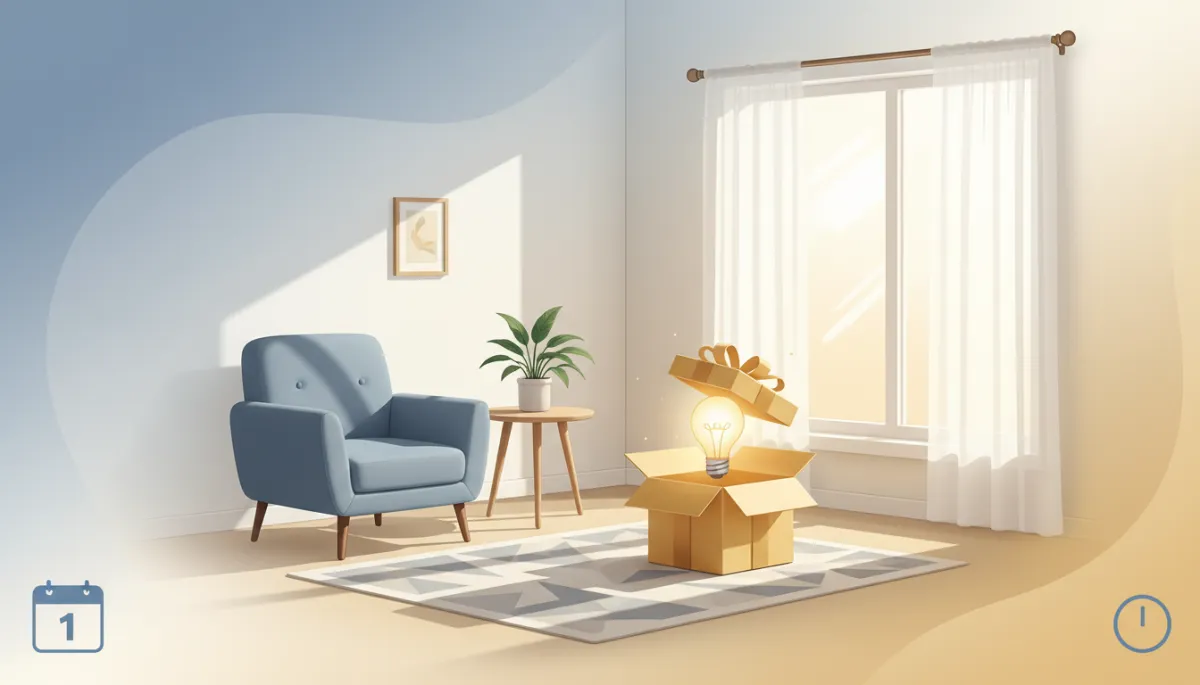
One Room. One Day. One Offer. Why Starting Small Is the Smartest Move You Can Make.
Here's what starting a practice looks like in most PAs' heads: lease a full space, hire staff, build a brand, fill a schedule from day one, leave your job.
That version is expensive, high-risk, and completely unnecessary.
Here's what actually works.
The One-Room Model — In Concrete Terms
Rent a single treatment room: $300–$600/month depending on your market.
See patients one day a week. Six to eight patients at $350–$500 per visit in aesthetic medicine — that's $2,100 to $4,000 per day.
Two days a week: $4,200 to $8,000. Monthly: $16,800 to $32,000 gross before overhead.
Keep overhead lean — the room, supplies, malpractice — and your net on a two-day-a-week model is not supplemental income. It's meaningful income. From one room. Part-time.
That's the model I started with in 2015. Year one: $63,000 gross. Part-time hours. No staff. No lease. No debt.
Why Small Is Strategic
Starting with one room isn't a compromise. It's the intelligent entry point.
You remove financial risk. You're testing a model with real patients and real revenue, not betting on projections.
You keep your current income intact. The clinical job stays until the practice proves itself — and it only has to prove itself with a handful of patients, not a full schedule.
You build confidence through evidence. The first patient who pays you directly, refers a friend, and comes back in six weeks — that's worth more than any amount of pre-launch planning.
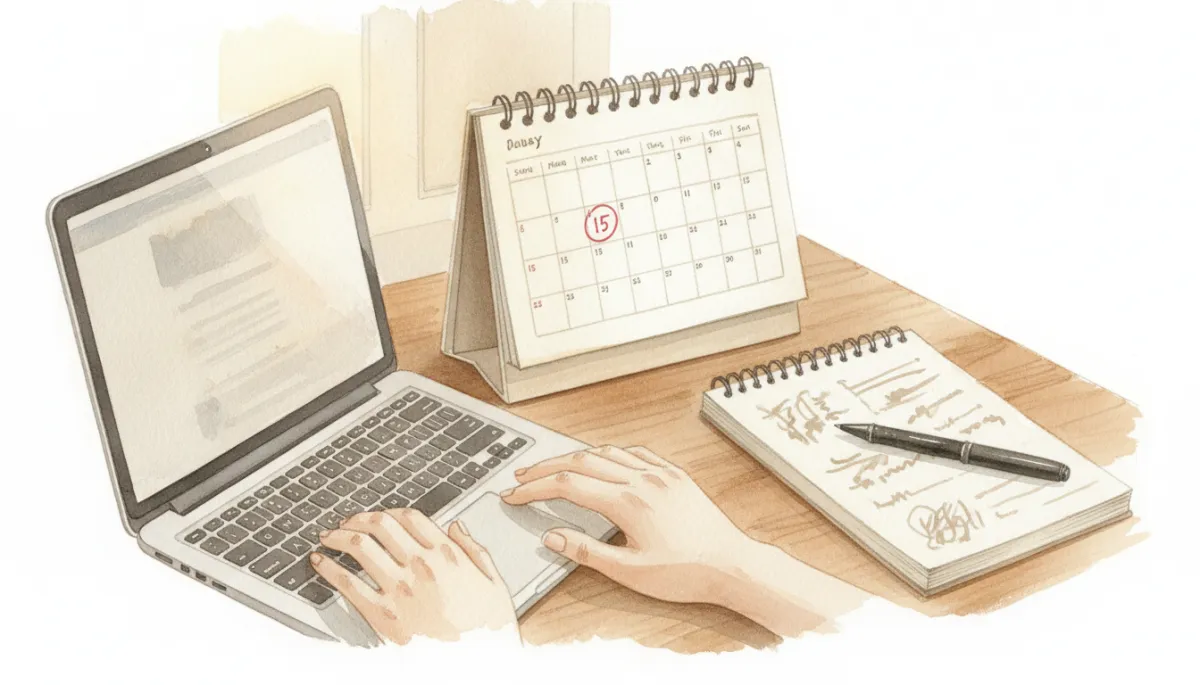
One clearly protected day often creates more progress than weeks of scattered effort.
The Scale Comes Later
The one-room, one-day model is the entry point, not the ceiling.
You validate the niche. You refine the offer. You prove the revenue. Then you scale — based on actual demand, not optimism.
By 2020, my practice had grown to over $220,000 a year. Still working 10 to 11 days a month. Same model, expanded. The practice now generates over $600,000 a year on that same schedule.
None of that required starting big. It required starting correctly — and then refusing to complicate what was already working.
The Question to Ask
The right version of starting a cash-based practice is simpler and lower-risk than most PAs imagine. The question isn't "can I afford to build this?" It's "what is the smallest version of this I can test with real patients in the next 90 days?"
Answer that question. Then build exactly that. Nothing more.

The Profitable Part-Time PA — $97 live training, September 1 at 10 AM — walks through the exact one-room, one-day launch model and the 6-step framework behind it. Register at thepapossibility.com.